


Online discussions about universal basic income (UBI) are full of people doubting others’ ability to spend the money “correctly.” They fear that others will spend it on “frivolous” things, become too dependent on it, or lose their incentive to work.
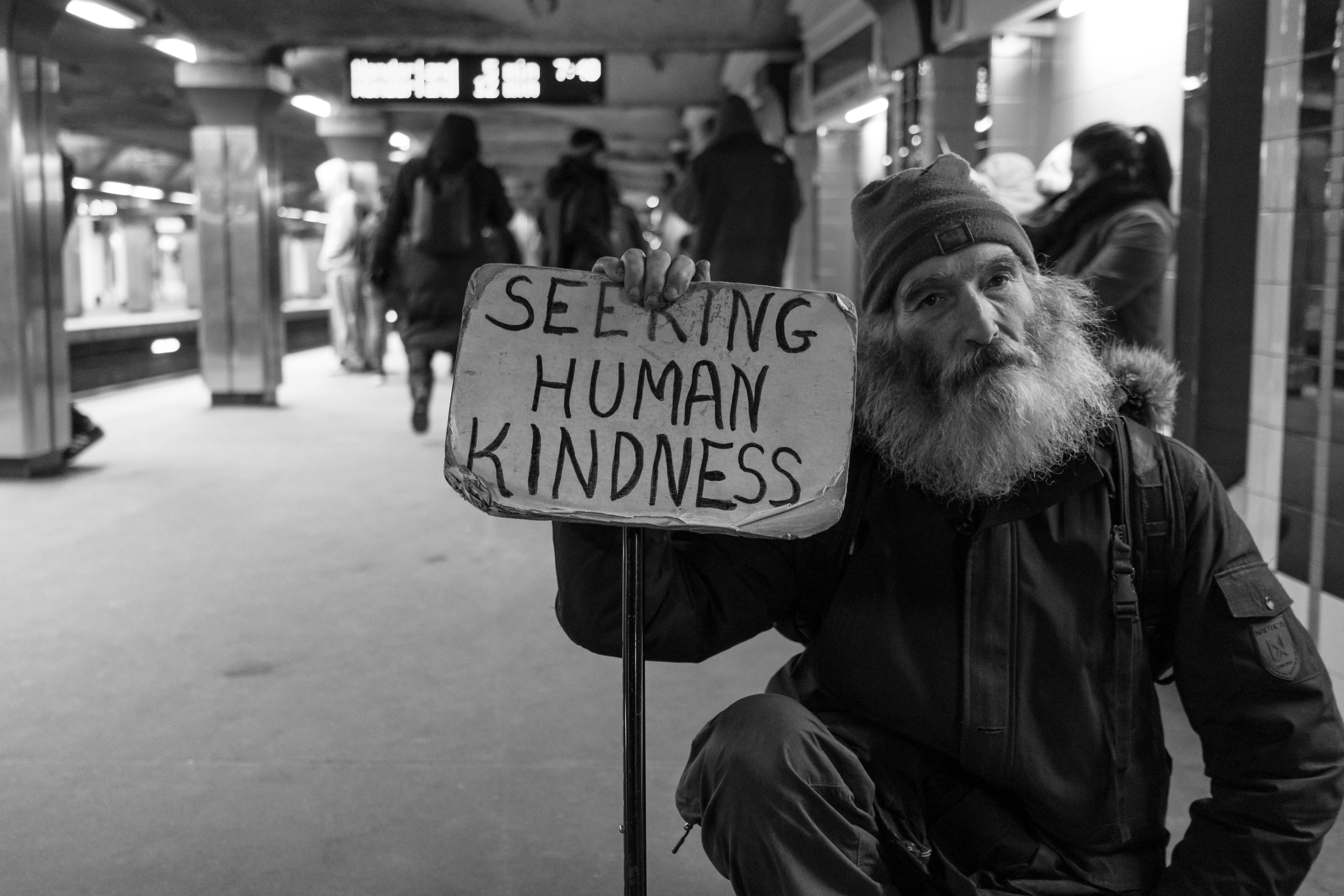
But flip the question around and ask them about themselves, and suddenly they trust their own intentions completely. They’d use that no-strings-attached cash to be more productive, hit savings goals, and learn new skills — all generally positive things.
It’s a curious self-versus-others paradox: people trust themselves with basic income but doubt everyone else.
Trust Is Declining…
The share of U.S. adults who believe “most people can be trusted” fell from 46% in 1972 to 34% in 2018 according to the General Social Survey. The decline of social trust over several decades may be due to a growing lack of faith in government and stressful personal experiences, such as job loss, discrimination, and a global pandemic.1
Recent Pew Research Center studies show that people with higher levels of social trust in the U.S. are more likely to help neighbors and friends during crises and have more confidence in institutions. Social trust also tends to be higher in wealthier countries — 83% of adults in Sweden and 79% in the Netherlands say most people can be trusted.2
While being “too trusting” can leave people vulnerable to manipulation or exploitation, trust in others is essential for our society and economy to function.
So, how do we rebuild trust in each other?
What If Most People Are Good?
We asked this question to our Bluesky followers and got some interesting answers:
One of BootstrapsTV’s goals is to capture how you would personally approach life with a basic income. Instead of general opinions about others, we want to hear your perspective on UBI, rooted in your own story, just like the people featured in our upcoming docuseries.
So, we’ll continue to ask you:
How can we learn to trust that people are inherently good?
How do you acknowledge that most people operate from a place of good intentions?
What would you do, along with your trusted neighbors and friends, if you had universal basic income as a financial foundation to build on?
Remember, behind every statistic and economic concept is a real person, like yourself, hoping for a little ease and a little more breathing room.
Don’t forget to imagine the best case scenario, too.
“American’s Trust in One Another” by Laura Silver, Scott Keeter, Stephanie Kramer, Jordan Lippert, Sofia Hernandez Ramones, Alan Cooperman, Chris Baronavski, Bill Webster, Reem Nadeem, and Janakee Chavda (Pew Research Center)
“Where most people trust others and where they don’t around the world” by Jordan Lippert and Jonathan Schulman" (Pew Research Center)